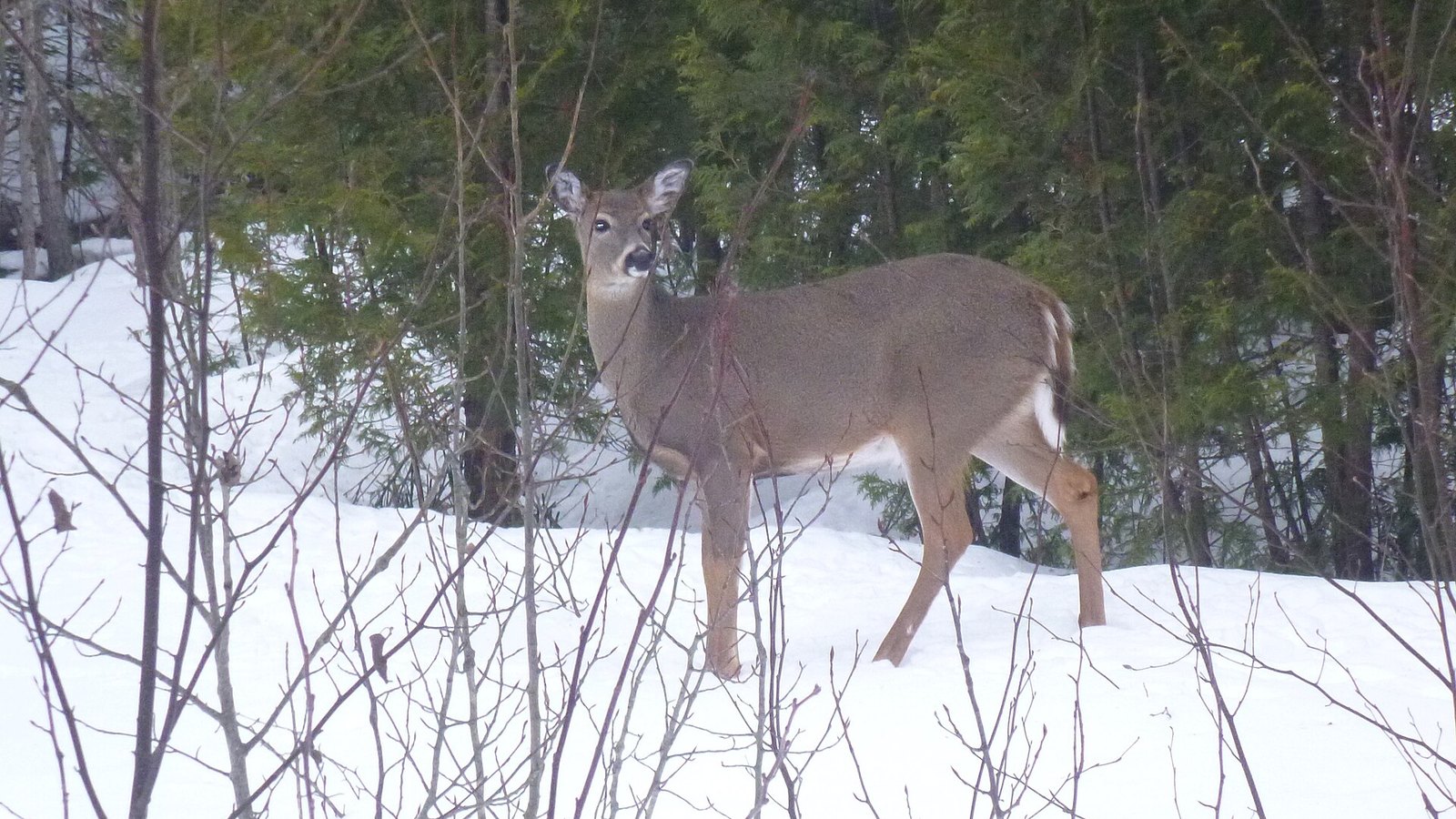
Michigan’s regular firearm deer season opens Sunday, Nov. 15, and Upper Peninsula hunters heading out this year will find a shorter season behind it, no antlerless permits across most of the region and a new digital tag in their phones.
The 16-day firearm season runs through Nov. 30. It is the only stretch of the year when U.P. hunters can take a deer with a non-muzzleloading firearm, The Keweenaw Report noted this week.
A three-day muzzleloader season
The biggest change comes after Thanksgiving. The U.P. muzzleloader season has been cut from 10 days to three, running Friday through Sunday on the first weekend of December. This year that’s Dec. 4-6.
In its 2026 deer hunting preview, the Department of Natural Resources says the shorter season is meant to reduce harvest and late-season pressure on deer at a time when they are burning more energy and are more exposed while moving to their wintering yards.
That reflects two hard winters in a row. The DNR’s biologists say deep snow and late-winter storms delayed spring green-up across the U.P., and fawn recruitment may be lower than average, though they expect the effects to be local rather than region-wide. A good acorn crop and an average to above-average blueberry year helped, but the department warns that deer condition and antler growth could still be below average heading into the season.
Antlerless hunting pulled back
After several severe winters, the DNR is not offering any antlerless deer hunting access permits in the U.P. for 2026, and deer management units 351 and 352 have been rescinded. Hunters can still use universal antlerless licenses in the southernmost U.P. units: 022, 055, 121, 122, 155 and 255. The purchase limit stays at 10 universal antlerless licenses per hunter, but each unit now has its own use limit, shown on a map in the 2026 regulations summary.
Buck hunters with a single or combo license should check the U.P. antler point restrictions in the regulations summary before opening day.
Bait, tags and orange
Baiting remains legal in the U.P. from Sept. 15 to Jan. 1, while it stays banned in the Lower Peninsula. Bait at a hunting site can’t exceed 2 gallons and has to be spread over at least a 10-by-10-foot area. The DNR recommends not dropping bait in the same spot over and over, and baiting only when actively hunting, to cut down on disease spread.
New this year, hunters who buy a license through the DNR Hunt Fish app get an eHarvest tag on their phone and validate it there, with or without cell service, before moving a deer. Hunters who buy from a retailer still get a paper kill tag. The DNR has also stopped online eLicense sales through Nov. 30, so mailed tags don’t arrive after hunters need them, according to the department’s Nov. 4 safety release. Sales on the website resume Dec. 1. Either way, successful hunters must report their harvest within 72 hours or before handing the deer off, whichever comes first.
From Nov. 15 to 30, every deer hunter, including bowhunters, must wear hunter orange on the outermost layer, visible from all sides, even inside a blind. Shooting hours run from 30 minutes before sunrise to 30 minutes after sunset. Hunters can’t shoot within 450 feet of an occupied building without the owner’s permission.
On public land
Marquette County hunters spend a lot of time on state forest and commercial forest land, and the DNR says conservation officers are regularly called to settle disputes over hunting spots on public land. Blinds and tree stands on state land are first-come, first-served no matter who built them, and any stand left overnight must carry the owner’s name and address, driver’s license number or DNR Sportcard number. On commercial forest land, bait has to be brought in each night unless the landowner says otherwise.
The DNR is not doing focused chronic wasting disease sampling in the U.P. this year, but hunters can request free lymph node test kits with overnight shipping. Poaching and hunter harassment can be reported around the clock to the Report All Poaching line at 800-292-7800.