
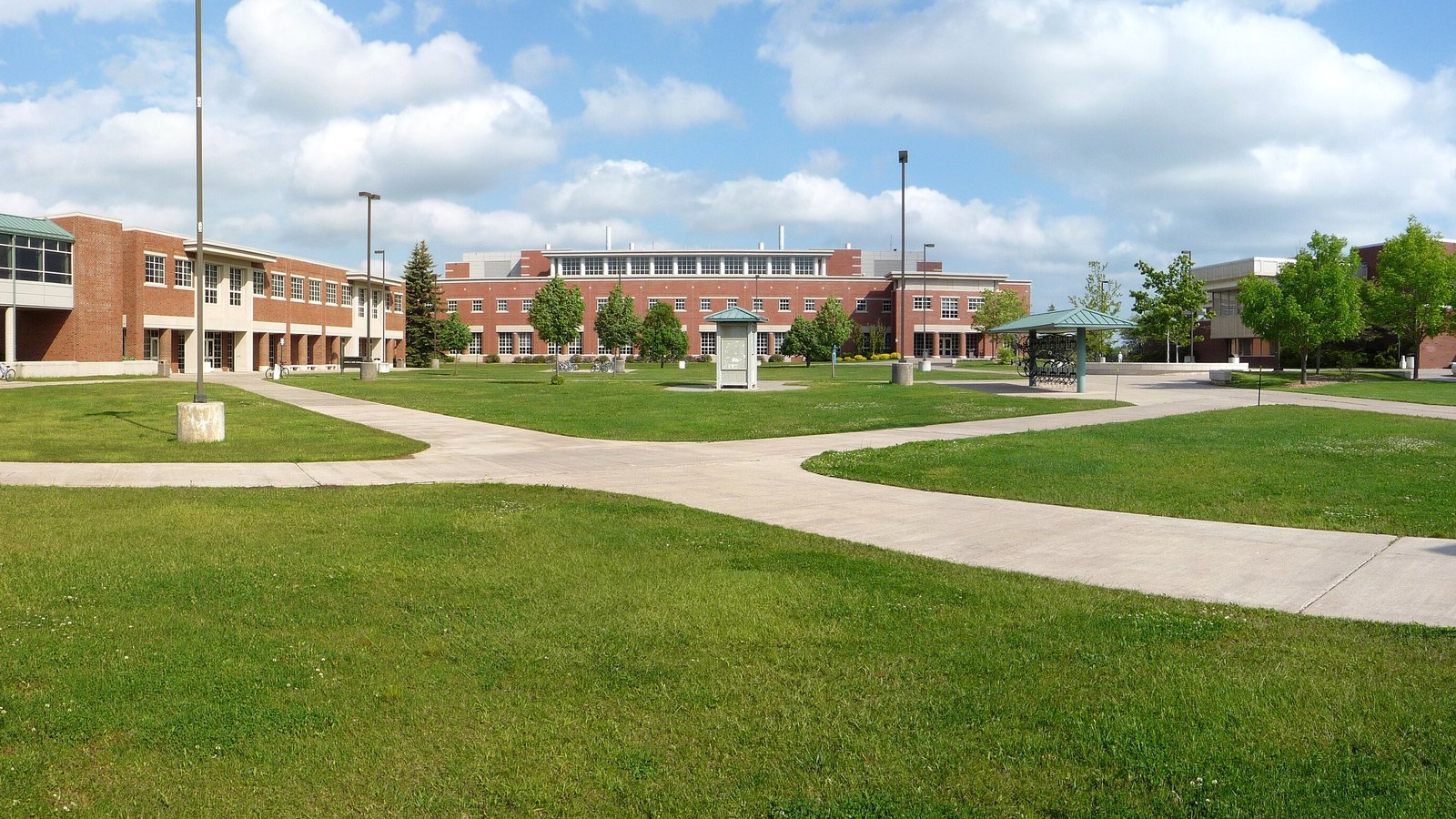
Northern Michigan University has put county-by-county economic numbers for the whole Upper Peninsula in one free place. The new U.P. Regional Data & Intelligence Hub, run by NMU’s Center for Economic Education and Entrepreneurship, pulls public data for all 15 U.P. counties into an online dashboard that updates itself every week.
NMU announced the hub on Nov. 18, a day after introducing it at the Economics Department’s 60th anniversary event on campus. The dashboard is posted on the center’s economic reports page and shows indicators such as employment and wage trends, median home values and the makeup of each county’s workforce.
For Marquette County businesses, local governments and nonprofits, the pitch is simple: numbers that used to take a morning of digging through federal and state websites are now a few clicks away, and they refresh on their own.
“This is a free public database of economic indicators for our region,” Hugo Eyzaguirre, economics professor and department head, said while introducing the hub on Nov. 17, according to the university. “The idea is to serve local organizations, local businesses … and provide an opportunity for real research.”
Who it is for
Center director Joshua Ingber, who presented by Zoom, said easier access to baseline data should help local businesses, unions and organizations make decisions, NMU reported. Senior Associate Provost Dale Kapla said the hub “strengthens Northern Michigan University’s relationship with local governments, businesses and other community partnerships” and gives students hands-on research work on questions affecting the region.
That kind of baseline matters in grant writing, budget planning and site selection. A downtown group applying for a small business grant, a township weighing a housing plan or an employer deciding where to add a shift all start with the same few figures: how many people are working, what they earn and what homes cost.
What the public numbers show right now
Federal labor data tell a mixed story for Marquette County this fall. The U.S. Bureau of Labor Statistics’ Local Area Unemployment Statistics put the county’s jobless rate at 4.2% in September, not seasonally adjusted, the same as September 2025 and down from 6.2% in January, when winter work slows.
The same series estimates the county’s labor force at 31,261 people in September, compared with 34,105 a year earlier. Labor force counts include everyone working or looking for work, so a drop can reflect retirements, people moving away or fewer people searching for jobs, and county-level estimates are revised each spring. It is the kind of trend a regional dashboard makes easier to follow month to month.
An anniversary for the department
The launch came during a department celebration that included a history of NMU economics from professor emeritus Russell Magnaghi, remarks from alumni Jason Schneider and Hannah Kratz Lewis, who work as economic development consultants, and a panel on Adam Smith’s “The Wealth of Nations” to mark the book’s 250th anniversary, according to the university.
It is the latest NMU project aimed at the wider region. The university also has a new transfer path for KBOCC environmental science graduates, and trustees backed a $51.5 million campus arts district plan in October.
The center is asking users for feedback on what the hub should add. Suggestions go to ceee@nmu.edu or 906-227-1218. More coverage of employers and the local economy is in our Business section.