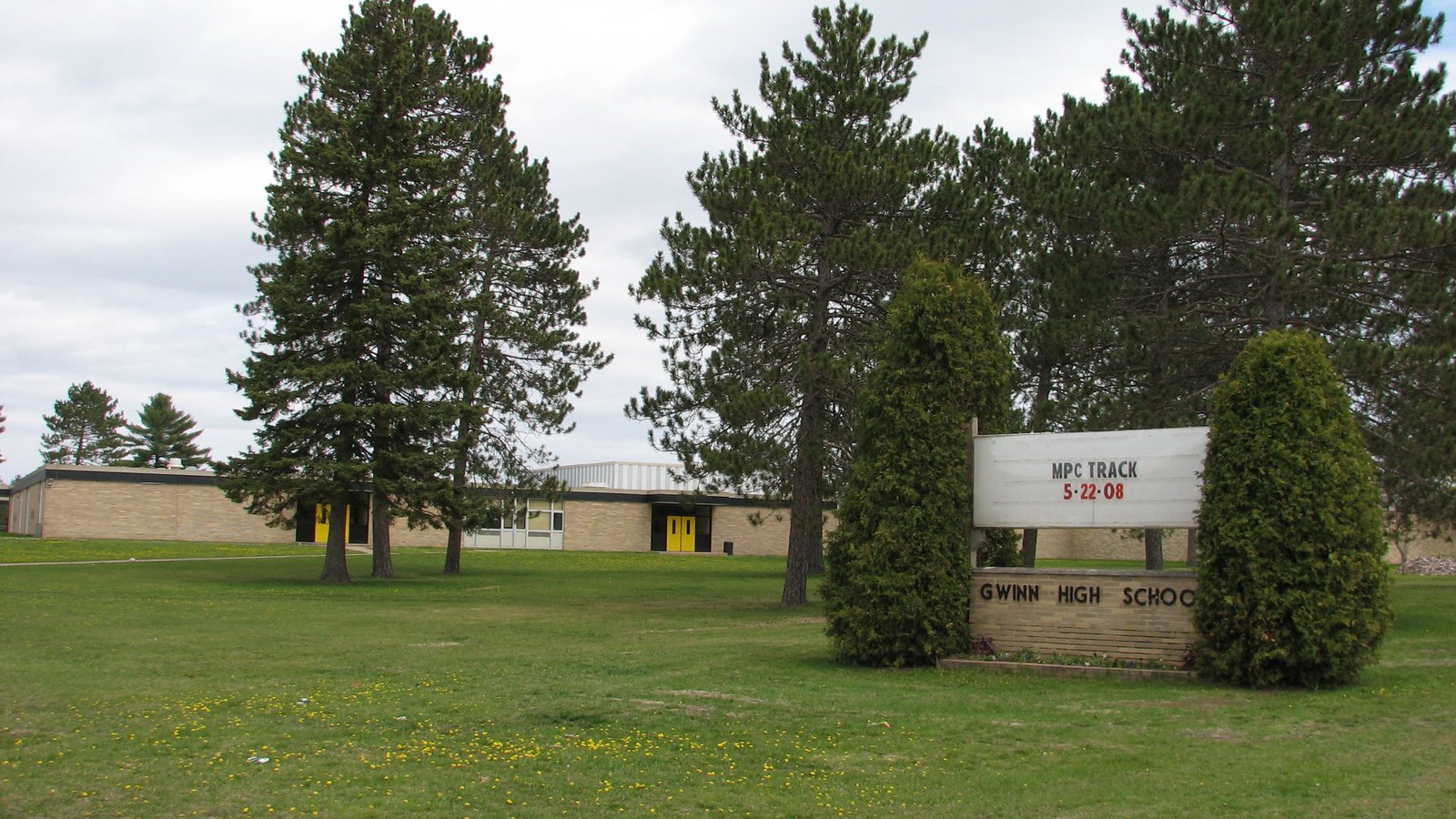
Gwinn Area Community Schools is likely to put the same bond proposal back in front of voters on May 4, after the Nov. 3 version failed by about a dozen votes out of more than 4,700 cast. The district’s Tier 2 steering committee recommended rerunning the identical request when the school board met Nov. 16, The Mining Journal reported, and the board plans to decide in January whether to call the election.
The proposal asked for 1.89 mills to borrow just under $25 million, WLUC-TV6 reported after the election. The district’s top priority is replacing the roof on the Middle/High School, which is well past its expected life and leaks into classrooms and the gym. The plan also included an addition that would move fourth and fifth grades into the Middle/High School so the district could close one of its two elementary schools, along with more secure entrances and room for more students in the high school’s welding courses. The district has posted the plan, drawings and a property tax calculator on its bond information page.
It was the fifth straight bond request to fail in Gwinn. Unofficial results showed a 14-vote margin. Superintendent Sara Croney told the board the steering committee saw being “only 13 votes down out of over 4,700 votes” as momentum, according to the Journal.
Why May, and why the same ask
Timing is part of the argument for going back quickly. Because May is so close to the November vote, the district would not need to change any of the dollar figures on the ballot, the Journal reported. Waiting longer could mean new cost estimates, including for the roof.
The leaks are already affecting the schedule. Several basketball games at Gwinn have been postponed, moved or canceled in the past month because of water in the gym, according to the Journal, and a middle school game two days after the election was moved to Negaunee.
Croney has also pushed back on talk that the district could close if bonds keep failing. Gwinn has more than 860 students and is the fourth-largest district in Marquette County, she told the Journal on Nov. 9.
The state money is small next to the need
At the Nov. 16 meeting, a resident who voted no said he would support a millage for the roof alone but not one that combined it with other projects, and asked what the district had done to get help from Lansing. A board member said the district had applied for state grants without success.
The numbers from the Michigan Department of Education show how hard those grants are to win. In July the department awarded $224 million in competitive infrastructure grants to 31 districts, mostly for roofs and heating and cooling systems. Districts had asked for nearly $1.8 billion, so the money covered only 16.5% of requests. Two Upper Peninsula districts were funded: Iron Mountain received about $3.1 million and Engadine about $8.2 million.
The department said the law that created the grants told it to weigh, among other factors, the share of economically disadvantaged students and whether a district is able to issue bonds for its own needs. MDE also cited a statewide facilities study that found Michigan schools need nearly $23 billion in infrastructure work over 10 years. An MDE spokesperson told the Journal that up to $100 million is available for school infrastructure in the fiscal 2027 budget.
A town that never had to pay for its schools
Croney has described Gwinn’s situation as unusual. In a Nov. 9 interview with the Journal, she said the community “was sort of spoiled because the mines and K.I. Sawyer Air Force Base built all these schools,” so local taxpayers never had to cover the cost of new buildings. The base closed in 1995, and the area around it has spent three decades finding new uses for what the Air Force left behind, as we wrote in our look at Sawyer International Airport and life after the air base.
The board’s next regular meetings are set for Dec. 21 and Jan. 18, according to the district calendar. Michigan’s May election falls on Tuesday, May 4, 2027. More school and county news is on our News and Local pages.